Industrial RAG Knowledge Assistant
Grounded answers from manufacturing knowledge
U-Bot turns equipment manuals, SOPs, quality documents, alarm history, and shop-floor records into a searchable knowledge base that answers questions with relevant source context.

Knowledge sourcesManuals, SOPs, quality records, alarms, and internal documents
Core methodRetrieval-augmented generation with vector search
DeploymentOn-premise or controlled enterprise environments
How U-Bot works
Documents are collected, cleaned, split into searchable units, enriched with equipment and process metadata, and indexed in a vector database. Each question retrieves the most relevant passages before the language model creates an answer from that context.
Manufacturing use cases
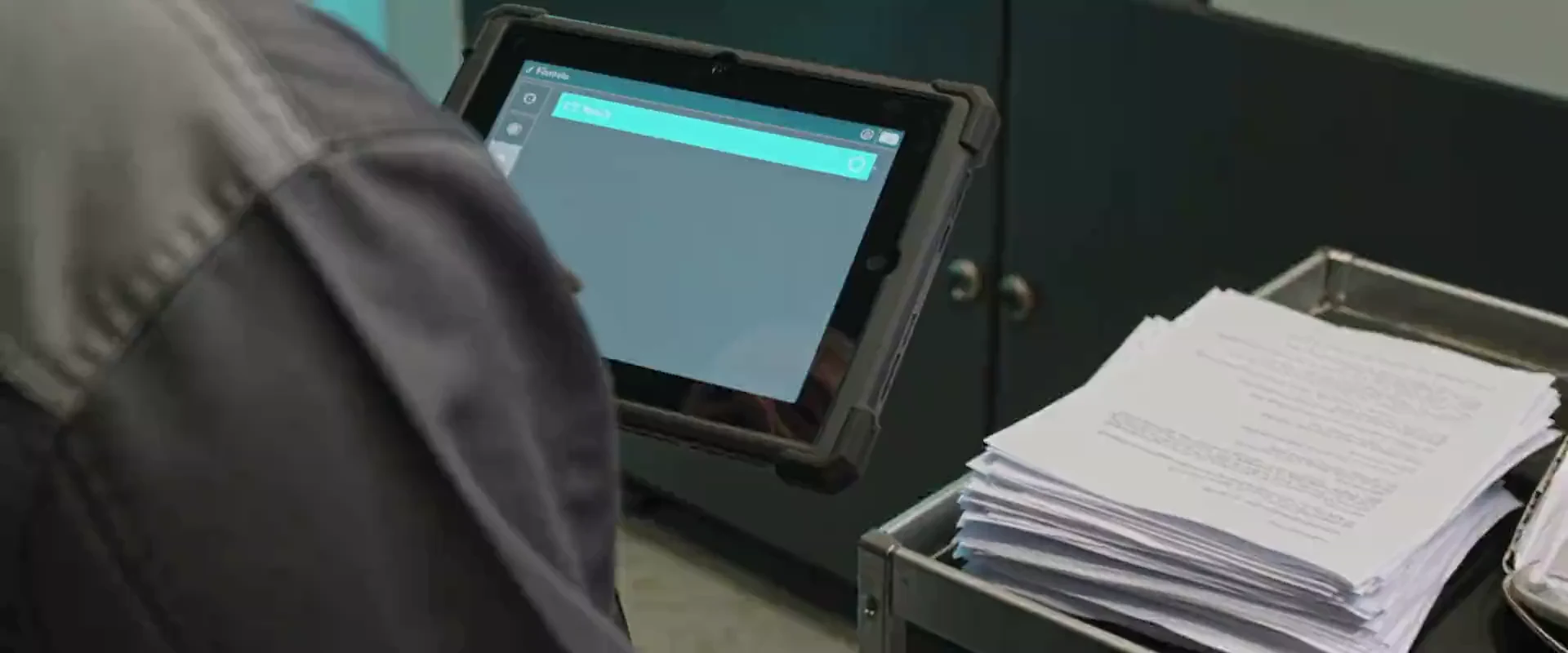
- Find troubleshooting steps from equipment manuals and alarm history.
- Retrieve the latest SOP, inspection rule, or quality standard.
- Support operator onboarding with consistent shop-floor knowledge.
- Connect approved internal knowledge to MES, dashboards, or service applications through APIs.
Accuracy and governance
Answer quality depends on document quality, metadata, retrieval settings, and access control. U-Bot is designed to show source context, separate authorized knowledge by role, and support review of the documents used for each answer.