Company F · Electronic components

Barcode, printer, inventory, and BOM integration

Barcodes and BOM data were connected from receiving through shipping to prevent incorrect material input and improve inventory accuracy.

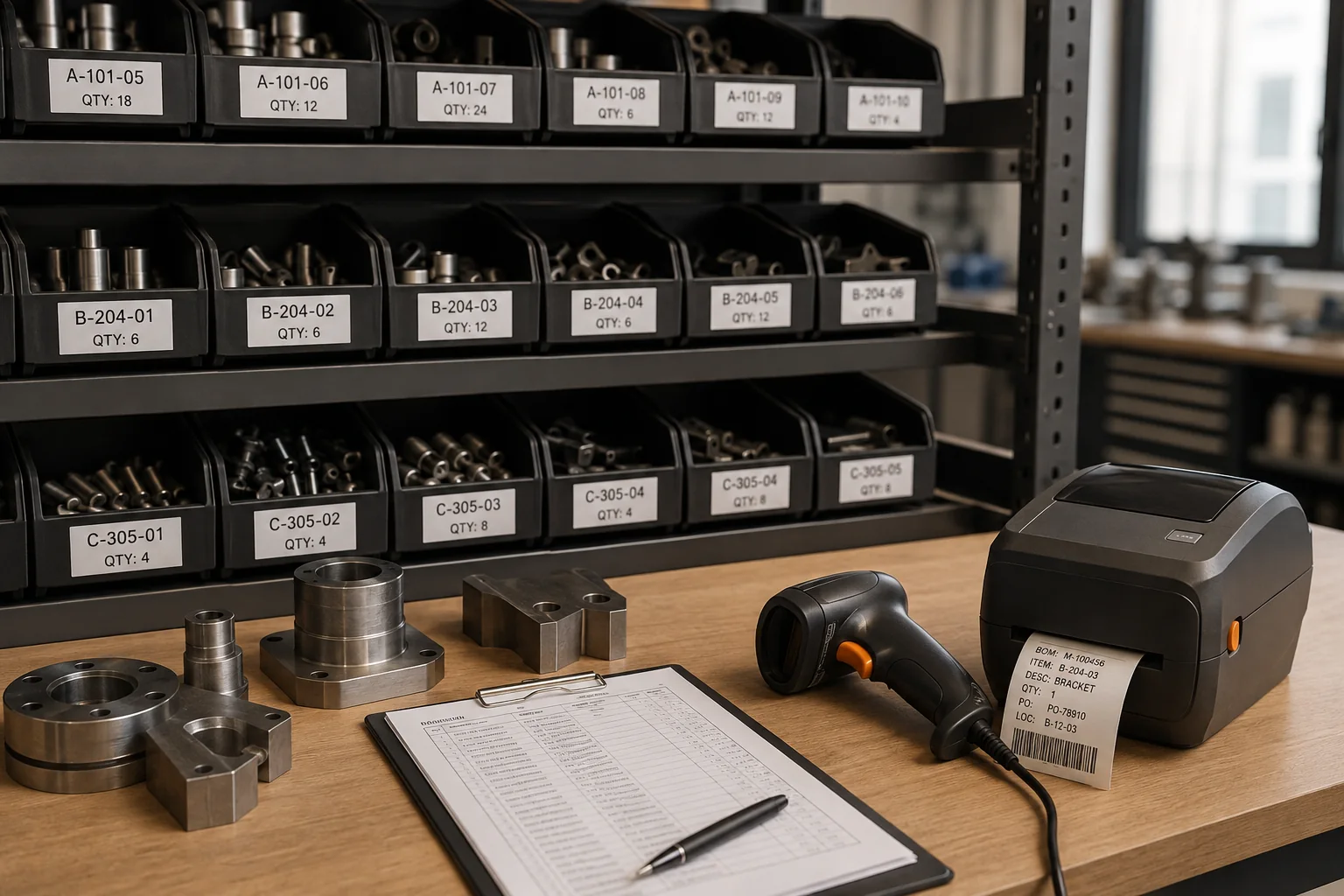
Parts bins, a barcode scanner and a label printer at a dispatch workbench — AI-generated illustration
IndustryElectronic components
Connected dataMaterial barcodes, BOM, receipts and issues, inventory, and finished-goods shipping history
Measured result99.9% inventory accuracy and zero incorrect material inputs

Implementation

BOM requirements were linked to barcode transactions with an identification flow that included shop-floor printers.

Outcome

Identifying material by barcode and matching it against BOM requirements closed the gap between physical and system inventory, reaching 99.9% accuracy with zero incorrect material inputs recorded for the measured period.

99.9% inventory accuracy and zero incorrect material inputs

Validation method

Physical inventory was reconciled with system inventory and incorrect material input records were reviewed for the measured period.

Quick Answers

Key answers about this implementation

The connected data, operational change, and validation basis at a glance.

What data was connected?

Material barcodes, BOM, receipts and issues, inventory, and finished-goods shipping history

What changed operationally?

BOM requirements were linked to barcode transactions with an identification flow that included shop-floor printers.

How was the result validated?

Physical inventory was reconciled with system inventory and incorrect material input records were reviewed for the measured period.

Imagery: AI-generated scenes illustrating the subject of this page.

KR KO