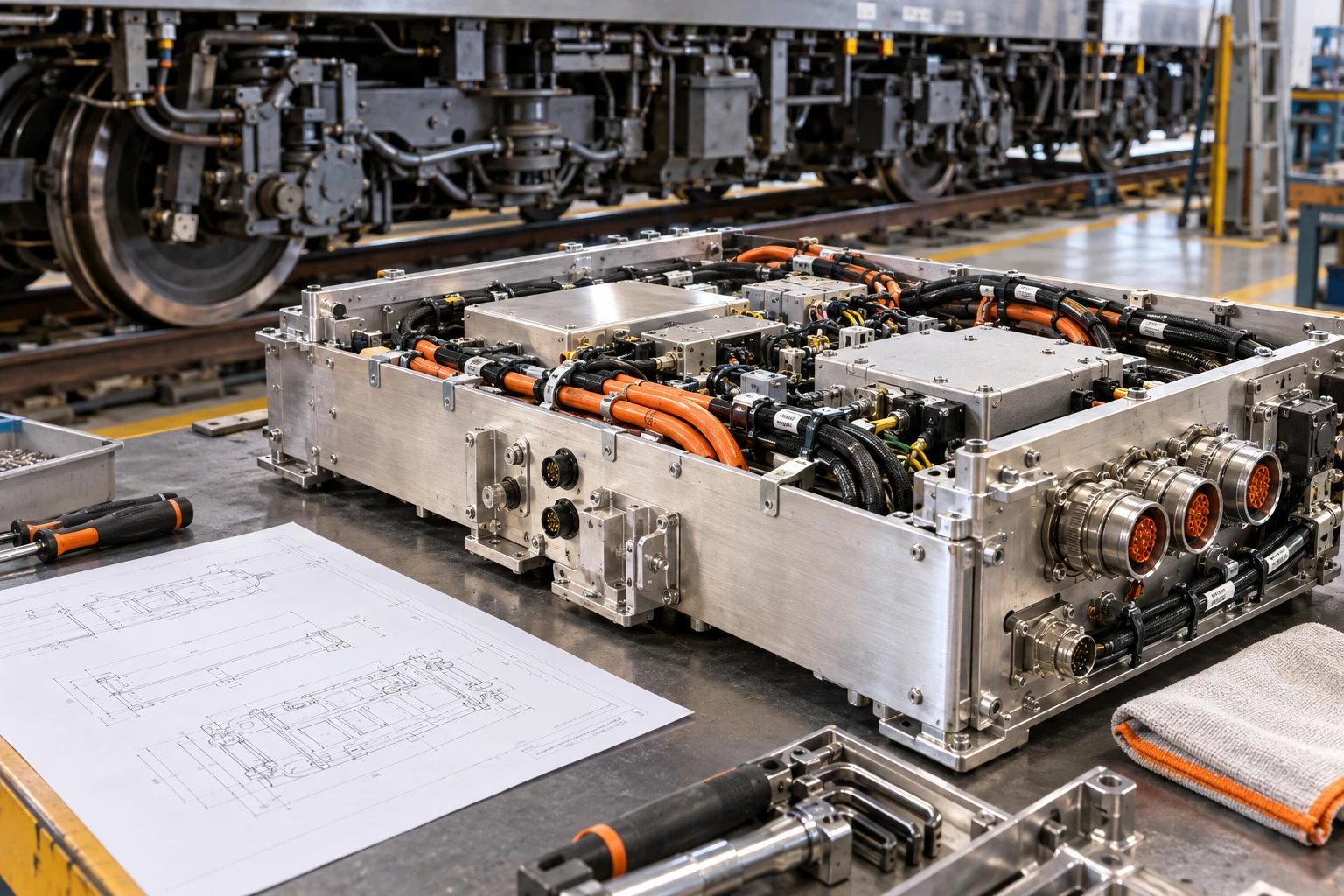
IndustryRailway vehicle parts
Connected dataDrawing revisions, work orders, assembly and wiring history, and operator confirmations
Measured result90% faster drawing distribution and a 0% assembly defect rate
Implementation
Drawing distribution and work instructions were digitized so operators could use the latest revision and record completed work.
Outcome
Replacing printed drawing handouts with tablet distribution cut delivery time by 90%, and operators working from the latest revision kept the assembly defect rate at 0% for the measured period.
90% faster drawing distribution and a 0% assembly defect rate
Validation method
Drawing distribution time and assembly defect records for the measured period were compared before and after implementation.
Terms used in this case study
Definitions follow the IYULAB manufacturing glossary.
- Work Order A work order is the execution unit that tells the floor what to make, how many, and under what conditions. It is the anchor that production results and quality history attach to.
- MES A Manufacturing Execution System (MES) records and manages how a work order is actually carried out on the shop floor, in real time. It closes the gap between what was planned and what happened.
- Traceability Traceability is the ability to go from a finished product back to the material, process conditions and operators behind it — and forward from a given material to every product it went into.
Related implementation guides
Step-by-step articles on the same topics.
- Shop-floor entrypeople actually use Systems that go live and then go unused are common. The cause is design, not willingness. When entry increases and nothing comes back, no system holds.
- MES:what to decide first MES projects usually go wrong before product selection, not during it. If nobody has decided what counts as one record, or what counts as output, the same problems appear whichever product you buy.